September 18, 2026
I have been in the beautiful country of Madagascar for nearly three weeks now, and I am slowly beginning to settle into a routine.
The sound of a rooster welcoming the morning blares throughout the house. By now, I know well enough to roll over and fall back asleep. There will be two more rounds of crowing before it is actually time to start my day. The first comes at 3:30 a.m., the second at 5:30 a.m., and the third at 6:15 a.m.
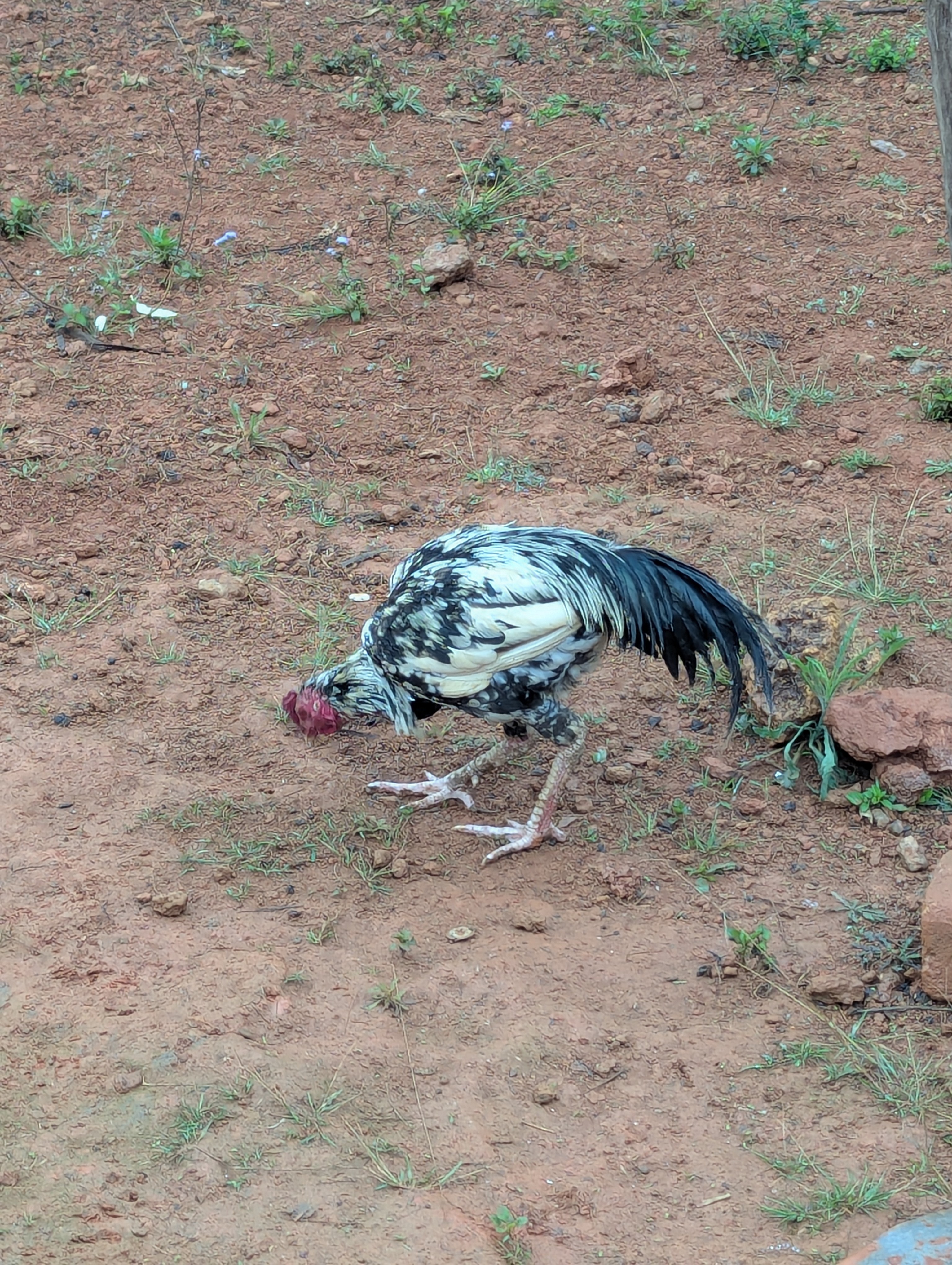
This has become my morning alarm clock during my time with my host family, marking the beginning of another busy day filled with Malagasy language lessons, agricultural technical training, and health and cultural sessions. The latter have been especially useful for learning the local dos and don’ts so that we don’t inadvertently offend anyone. I’ve already made a few mistakes, but at least now I know better!
A Typical Morning
Breakfast is normally around 6:30–6:45 a.m., giving me enough time to clear the table and wash the dishes before my morning classes begin.
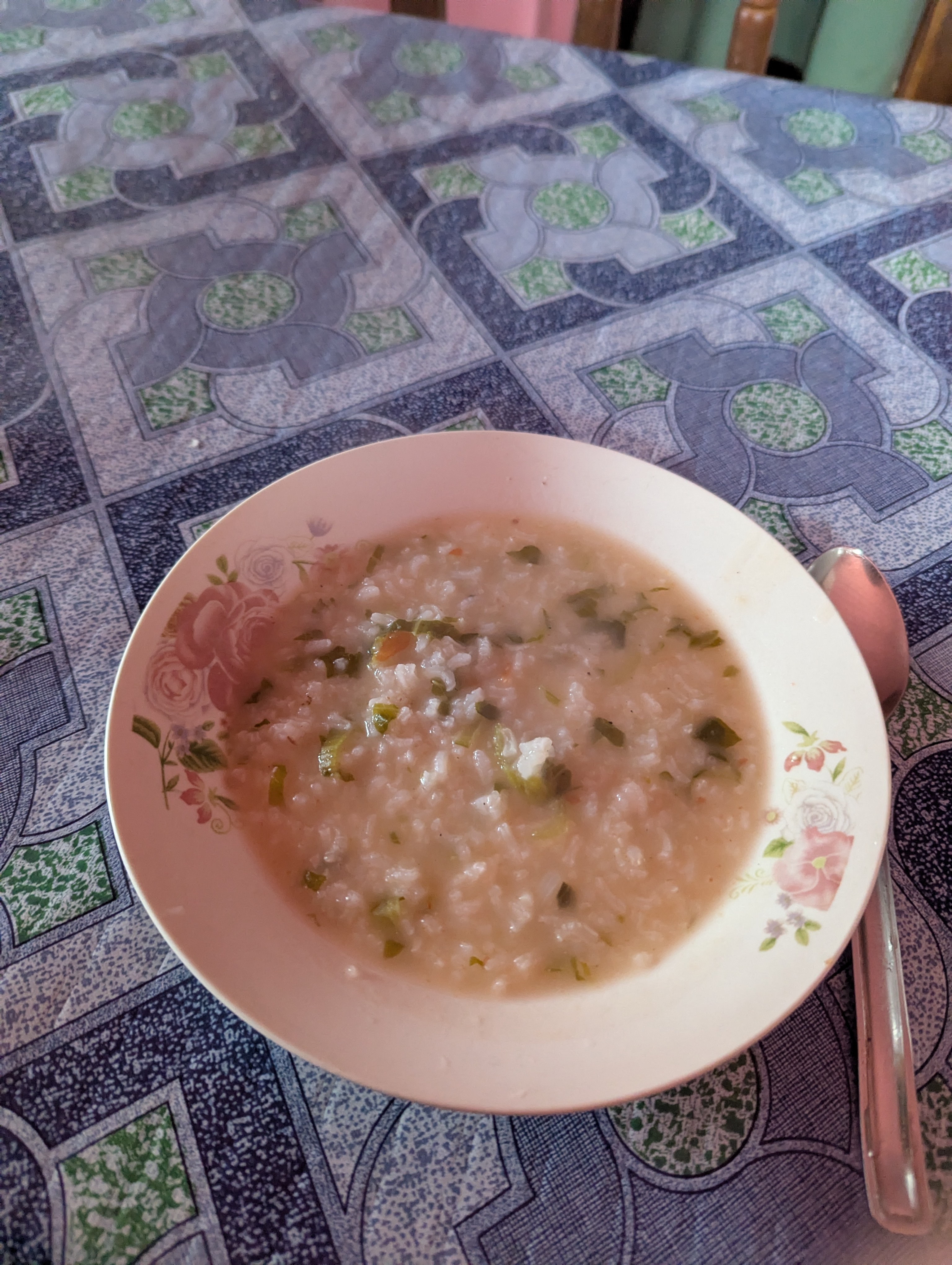
Some mornings, I only need to walk downstairs to our living room, where two fellow agriculture trainees and friends join me for language class. Other mornings, I make the 20-minute walk to another trainee’s house, where we work on our agriculture program’s cohort garden and develop our technical skills.
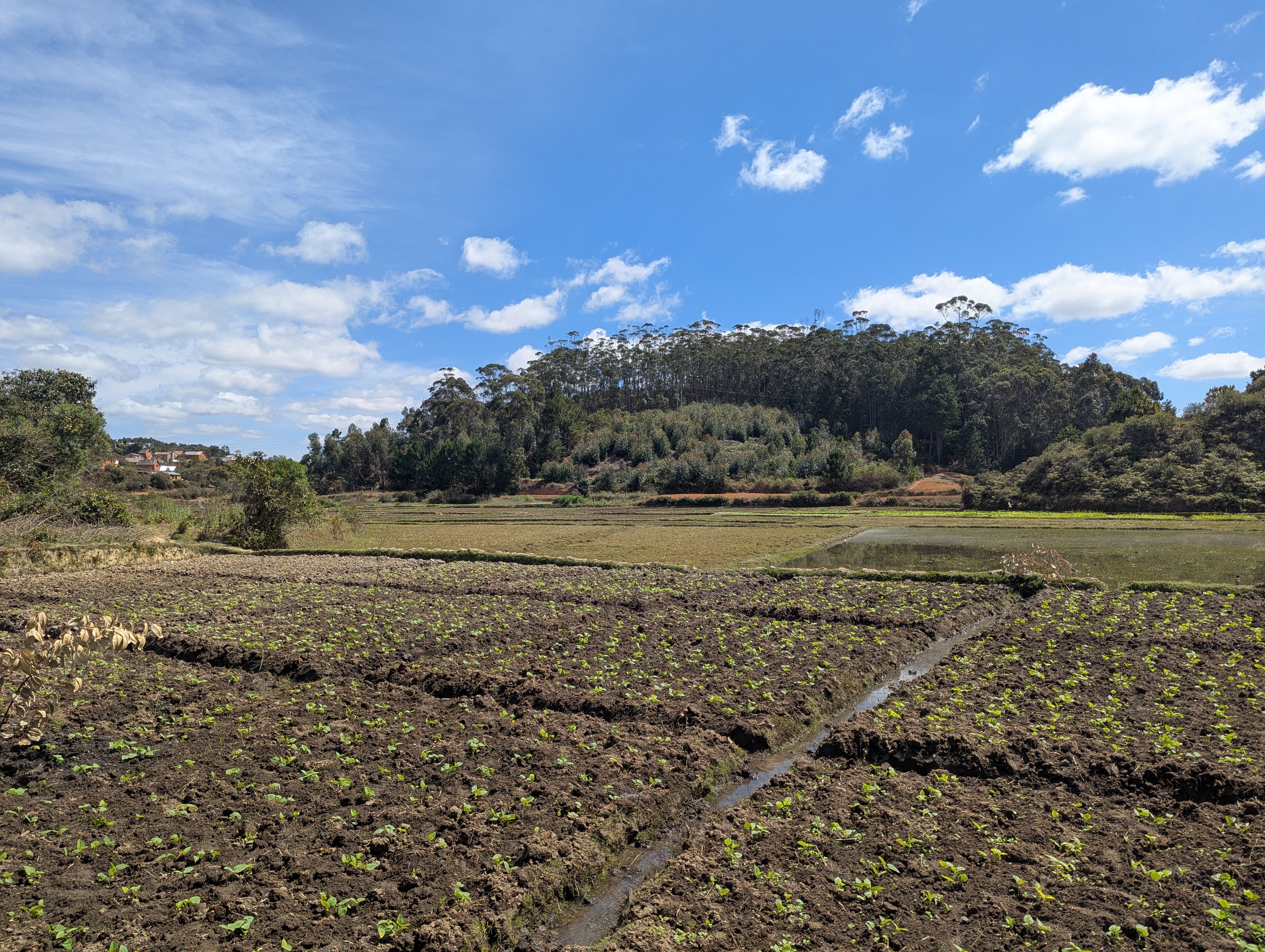
After three and a half hours of language or agricultural training, I return home for lunch and some time with my host family.
Communication with my host family has certainly been challenging, but I’ve been fortunate to have a linguistic safety net. My neny (host mother) speaks French, as do most members of the family. When I really don’t understand something or need to communicate something important, I can fall back on French.
Of course, the goal is to use Malagasy as much as possible, and my language skills have improved considerably since I first arrived. Conversations that initially seemed impossible are slowly becoming more manageable. I still have plenty of moments when I stare blankly at someone trying to decipher what they’ve just said, but those moments are increasingly accompanied by small victories.
Getting Our Hands Dirty
After lunch, it’s back to language or agricultural technical training.
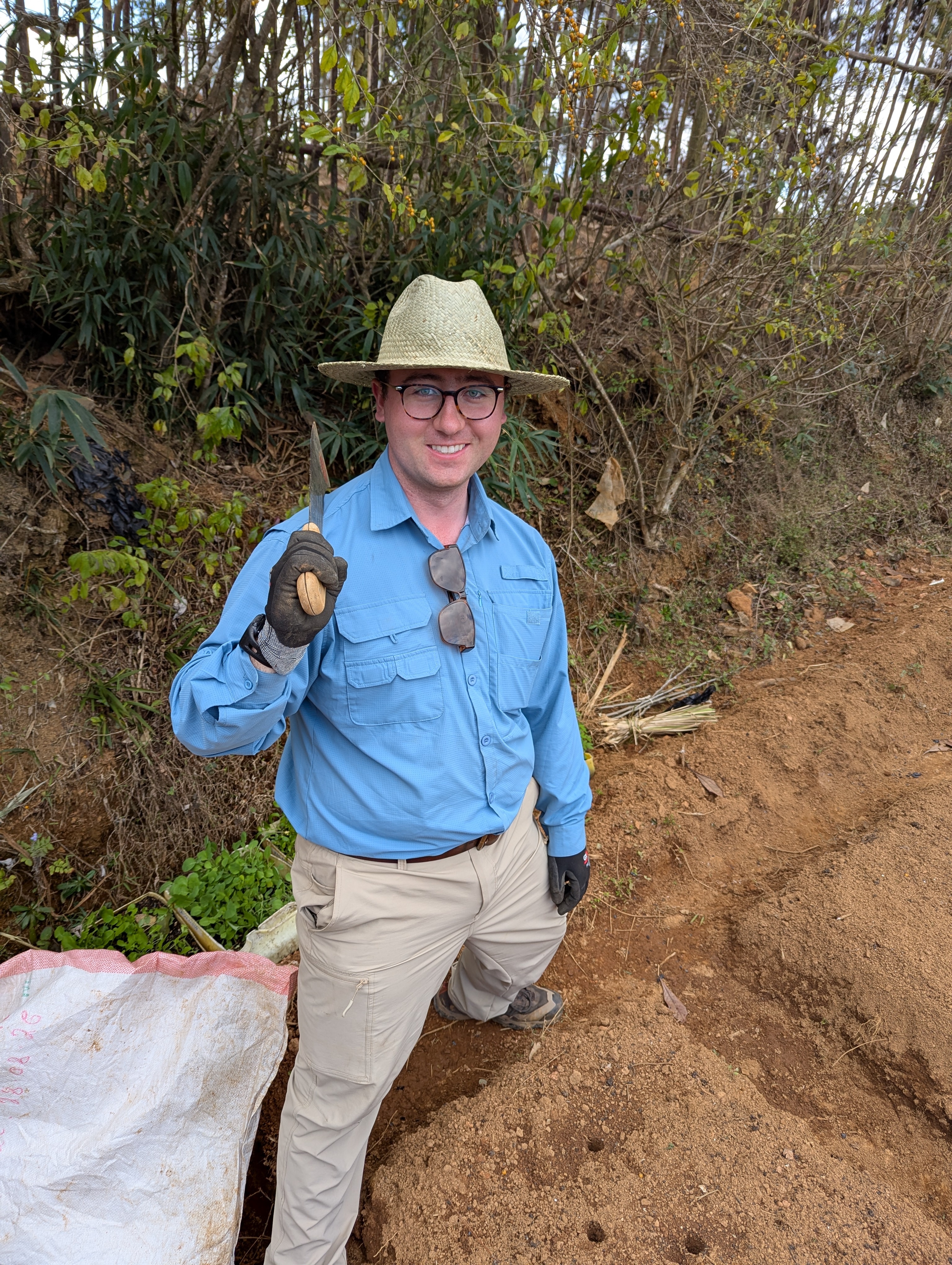
In our cohort garden, we’ve been learning a variety of techniques that we may eventually be able to share with farmers in our host communities.
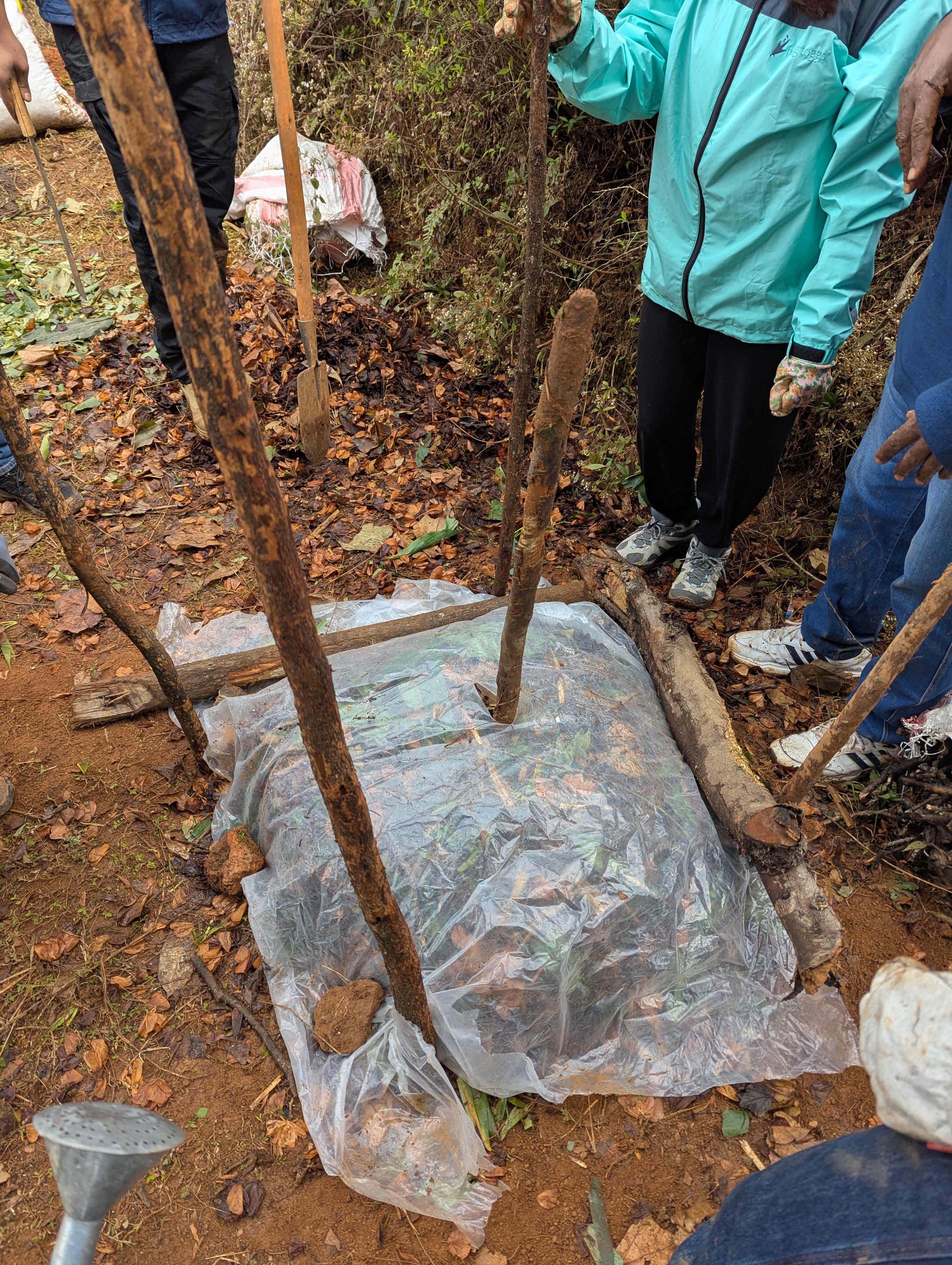
We started by building a compost pile using locally available materials. We learned which materials to include, which to avoid, and how to troubleshoot common problems when things don’t go according to plan.
We’ve also prepared three raised garden beds, complete with pathways, berms, and small depressions designed to capture and manage rainwater. These techniques help us think about how to make the most of the water available to farmers.
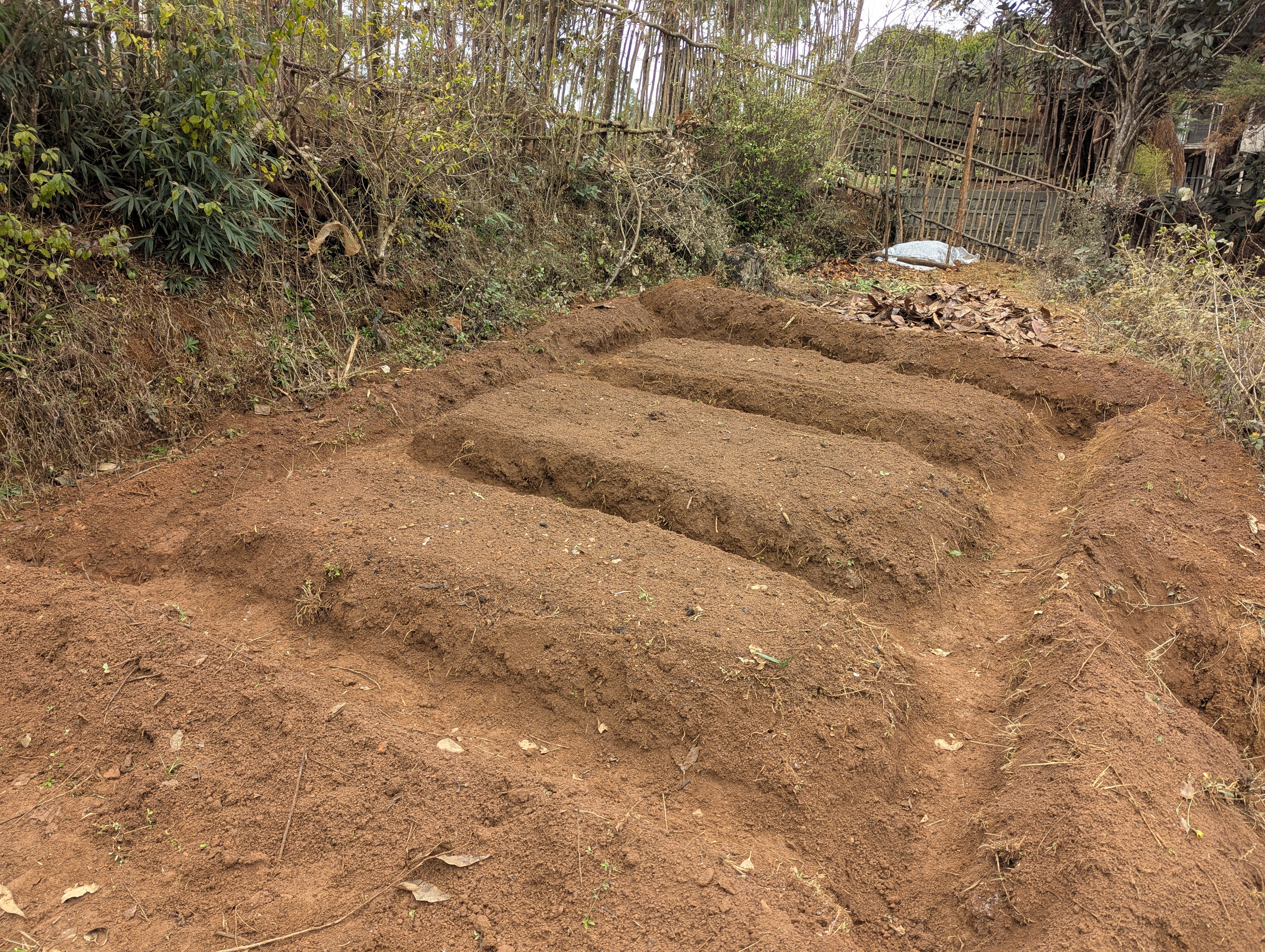
Next to the raised beds, we prepared a sunken bed using a technique called double digging. This involves loosening the soil below the usual cultivation depth and incorporating organic matter where appropriate, helping create better conditions for plant roots to grow.
Because our garden sits on a small, terraced hillside that has begun to erode, we’ve also learned how to construct a retaining wall to help stabilize the soil.
More recently, we’ve begun learning about garden planning, and we’ll soon continue with plant propagation and nursery management before eventually transplanting seedlings into our beds.
It’s been particularly rewarding to combine classroom instruction with hands-on practice. Rather than simply reading about these techniques, we’re learning how to implement them with the materials and conditions available to us.\
Evenings With My Host Family
By the time I return home in the evening, my brain is normally at capacity. After hours of trying to absorb new vocabulary, agricultural techniques, and cultural information, communicating in another language over dinner can feel like an entirely new challenge.
Nevertheless, I try to push myself to participate in preparing the evening meal and spend time with my host family as everyone begins returning home.
Sometimes that means playing soccer with my 14-year-old host brother. Other times, it’s swinging my five-year-old host sister into the air or running around the family compound giving her piggyback rides.
Sometimes it’s talking about soccer or music with my 23-year-old host brother. Other times, it’s cooking alongside nenyko (my host mother), trying to pick up a few new Malagasy words while using French as a crutch whenever necessary.
My dada (host father) normally works late at a local hotel, so I don’t see him nearly as often, except at breakfast.
As the sun sets around 5:45–6:00 p.m., the day begins winding down. After dinner, I usually return to my room, where I might review my vocabulary flashcards one last time, catch up on some agricultural readings, or simply fall straight asleep.
Remembering How Far I’ve Come
The days are long, but they’re rewarding.
I’m finding myself becoming much more confident with the language, even if I still have a tremendous amount to learn.
I’ve frequently been reminded of something my freshman-year French professor taught me: when learning a language, it’s easy to become overwhelmed by how much you have yet to learn. But it’s equally important to look back at where you started and recognize how much progress you’ve already made.
I try to remind myself of this every time I make a mistake, struggle to find a word, or fail to understand someone speaking Malagasy.
Three weeks ago, I hadn’t even arrived in Madagascar. Now, I’m beginning to establish a routine, communicate with my host family, learn new agricultural practices, and navigate everyday life in an entirely new environment.
I still have a long way to go, but that’s part of the experience.
For now, I’ll keep practicing my Malagasy, getting my hands dirty in the garden, spending time with my host family, and occasionally rolling over when that rooster starts crowing at 3:30 in the morning.


Leave a comment